
Equestrian Property Potential: Look Beyond the Current Setup
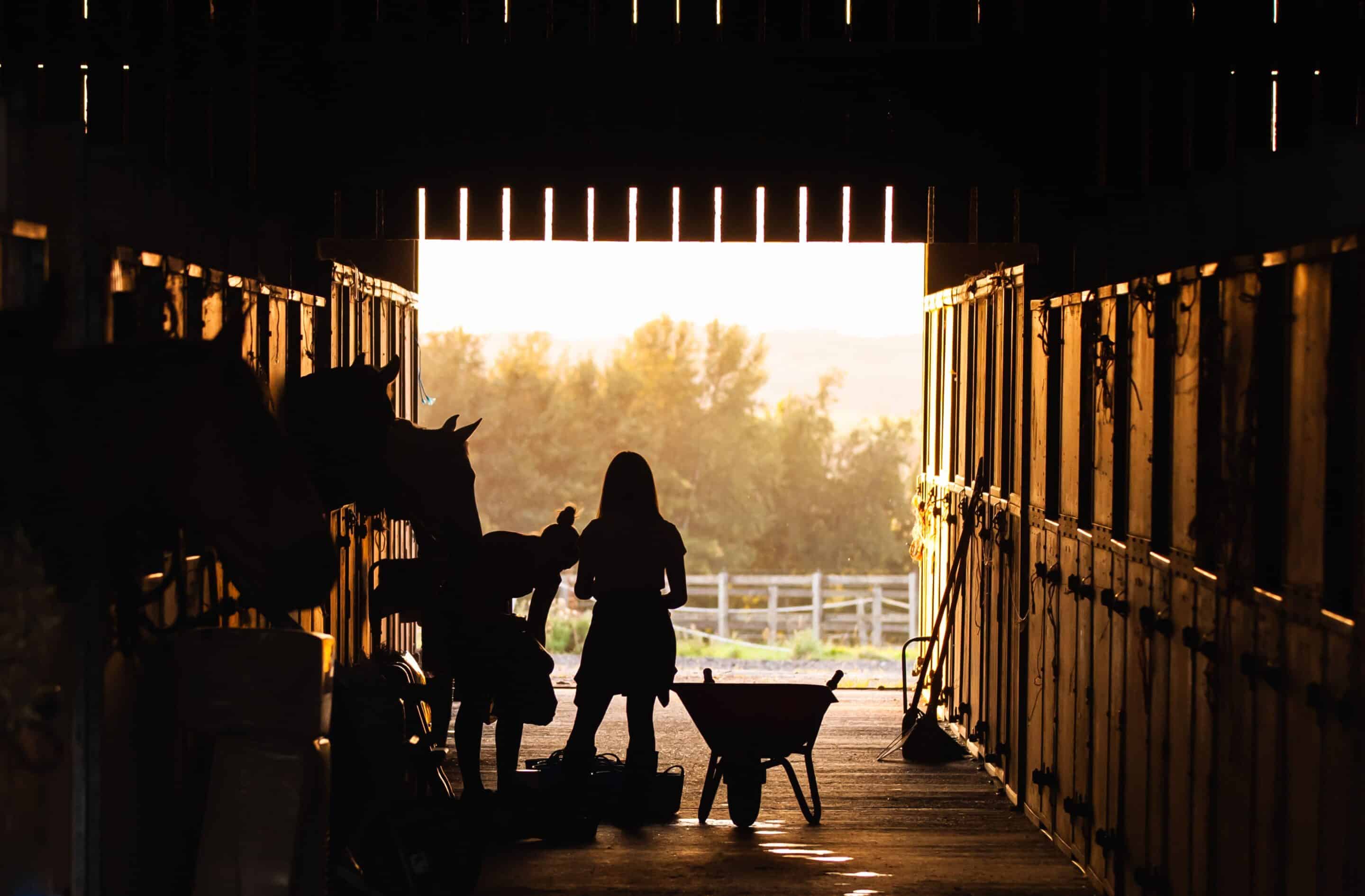
When you’re shopping for an equestrian property, it’s easy to walk onto a property and immediately start noticing what you would change.
The stalls aren’t configured the way you’d want them. The fencing isn’t your favorite. You’d move the tack room. You wish there were another turnout. The arena needs different footing.
But here’s the question I encourage horse-property buyers to ask:
Is the property wrong, or is the current setup just wrong for you?
Those are two very different things.
When I look at equestrian property potential, I’m not only looking at what exists today. I’m looking at the land, access, infrastructure, layout, and whether the property gives a buyer room to make it work for the way they actually keep horses.
Start With the Things That Are Hard to Change 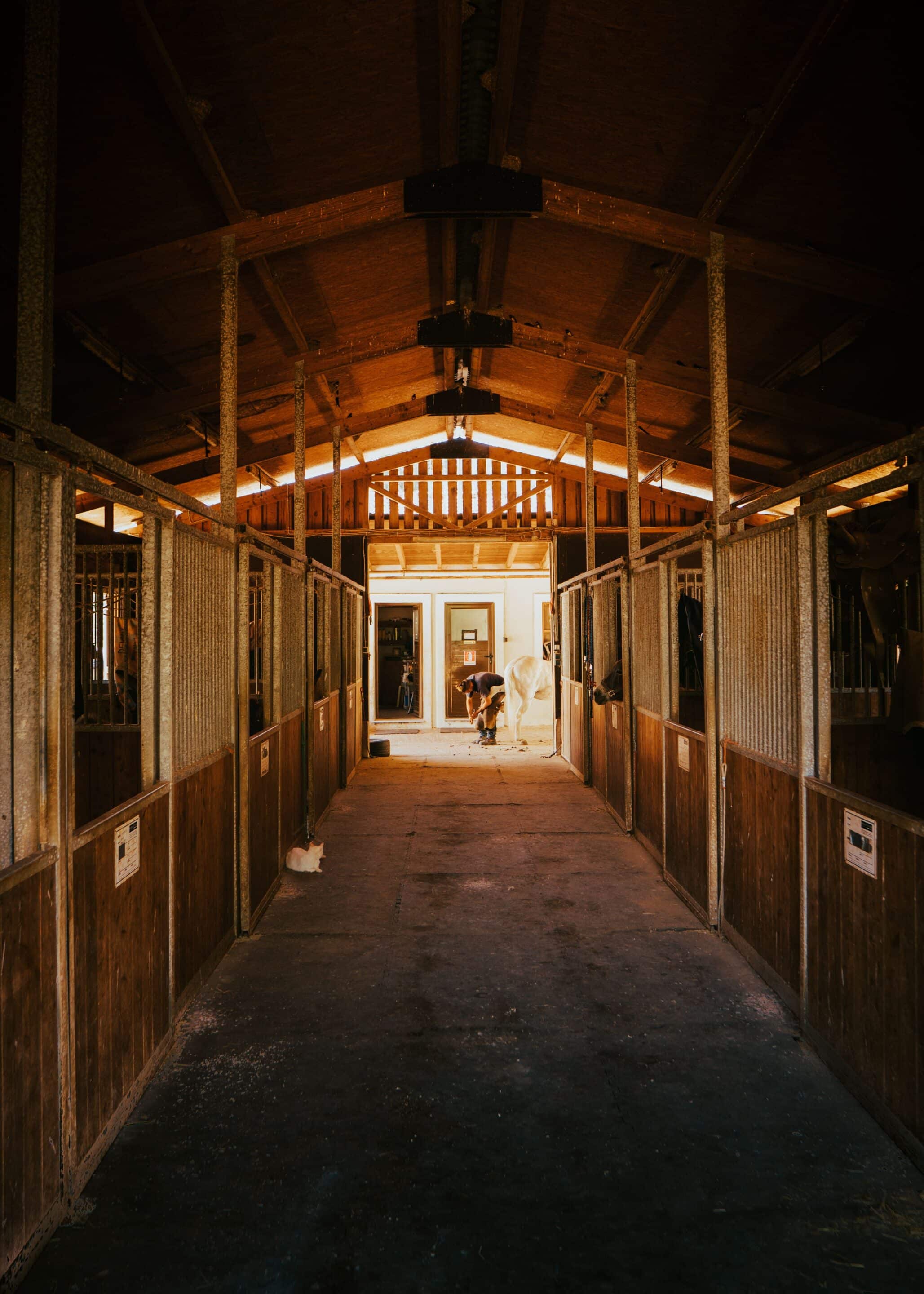
A barn can be modified. Fencing can be replaced. Stalls can sometimes be reconfigured.
The land itself is another story.
Topography, drainage, usable acreage, water availability, road access, surrounding development, and the general layout of the property can have a much bigger impact on its long-term usefulness.
A beautiful barn doesn’t necessarily compensate for acreage that doesn’t function well for your goals.
On the other hand, a property with a fairly simple horse setup may have excellent bones for creating exactly what you need.
Pay Attention to How Everything Connects
Horse properties have a flow to them.
Where does the trailer go when you pull in?
Can your veterinarian and farrier get where they need to go?
How far are you carrying hay?
Can horses move safely between stalls, turnouts and riding areas?
Where does water collect during an Oregon winter?
These aren’t always the things that photograph beautifully in a listing, but they’re often the things you’ll notice every single day once you live there.
I want buyers thinking about Tuesday morning in February, not just a sunny showing in July.
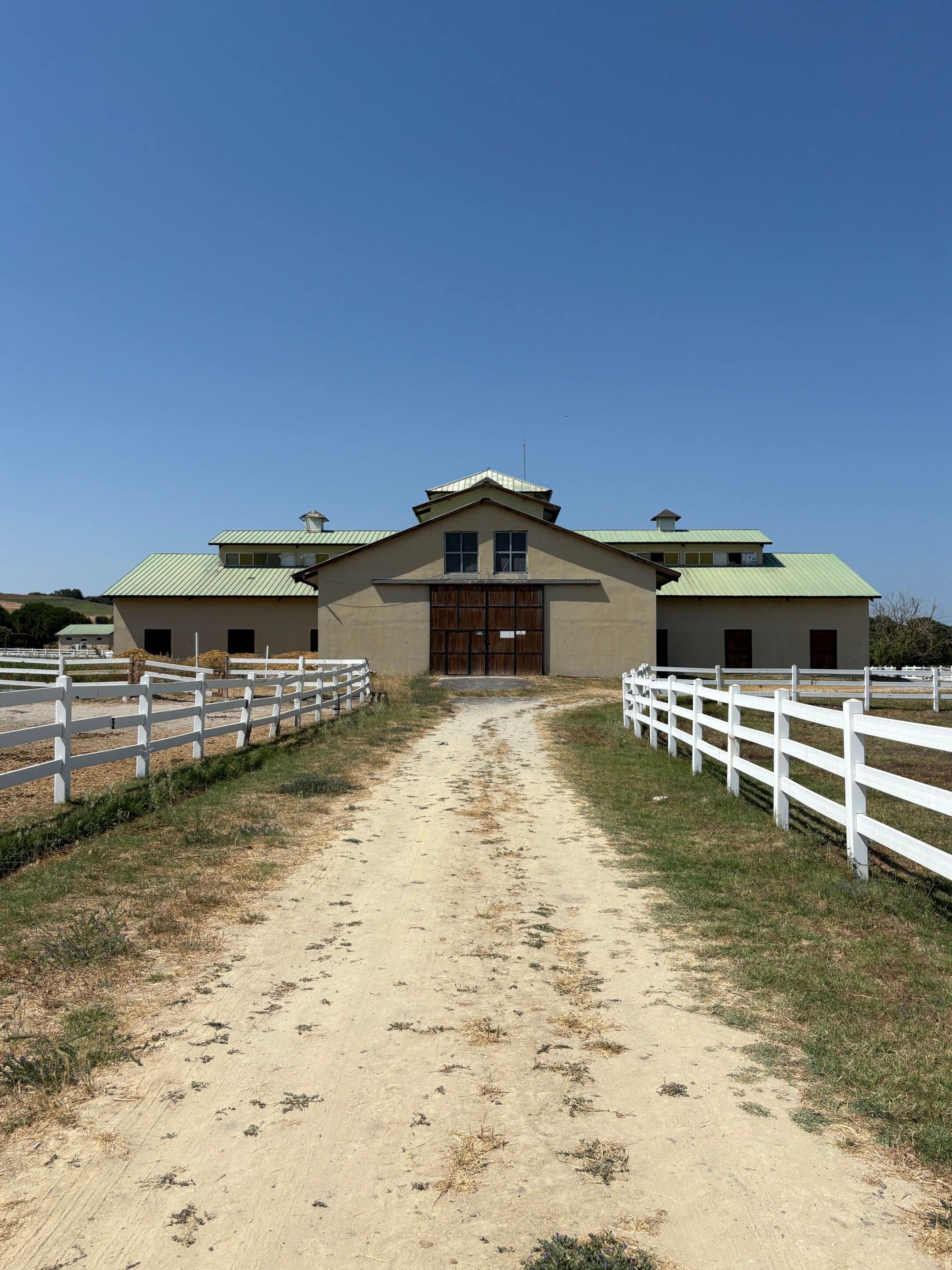
Know What’s a Project and What’s a Problem
There’s also a difference between seeing potential and underestimating a project.
Adding fencing is one thing. Assuming you’ll easily build a covered arena, additional dwelling, large barn or other major improvement is another.
Before buying based on what you could do later, it’s important to investigate zoning, permitting, setbacks, utilities, water, access and other restrictions that could affect those plans.
Potential is valuable only when it’s realistic.
Your Version of “Horse Property” Matters
One of the reasons I love this niche is that horse people can look at the same acreage and see completely different possibilities.
A competitive rider may prioritize arenas and year-round footing.
Someone breeding horses may care more about foaling areas, pasture configuration and separation.
A trail rider may gladly trade a larger arena for access to great riding.
Someone creating a private hobby farm has different needs than a trainer running a business.
There isn’t one perfect equestrian setup.
There is a setup that works for you.
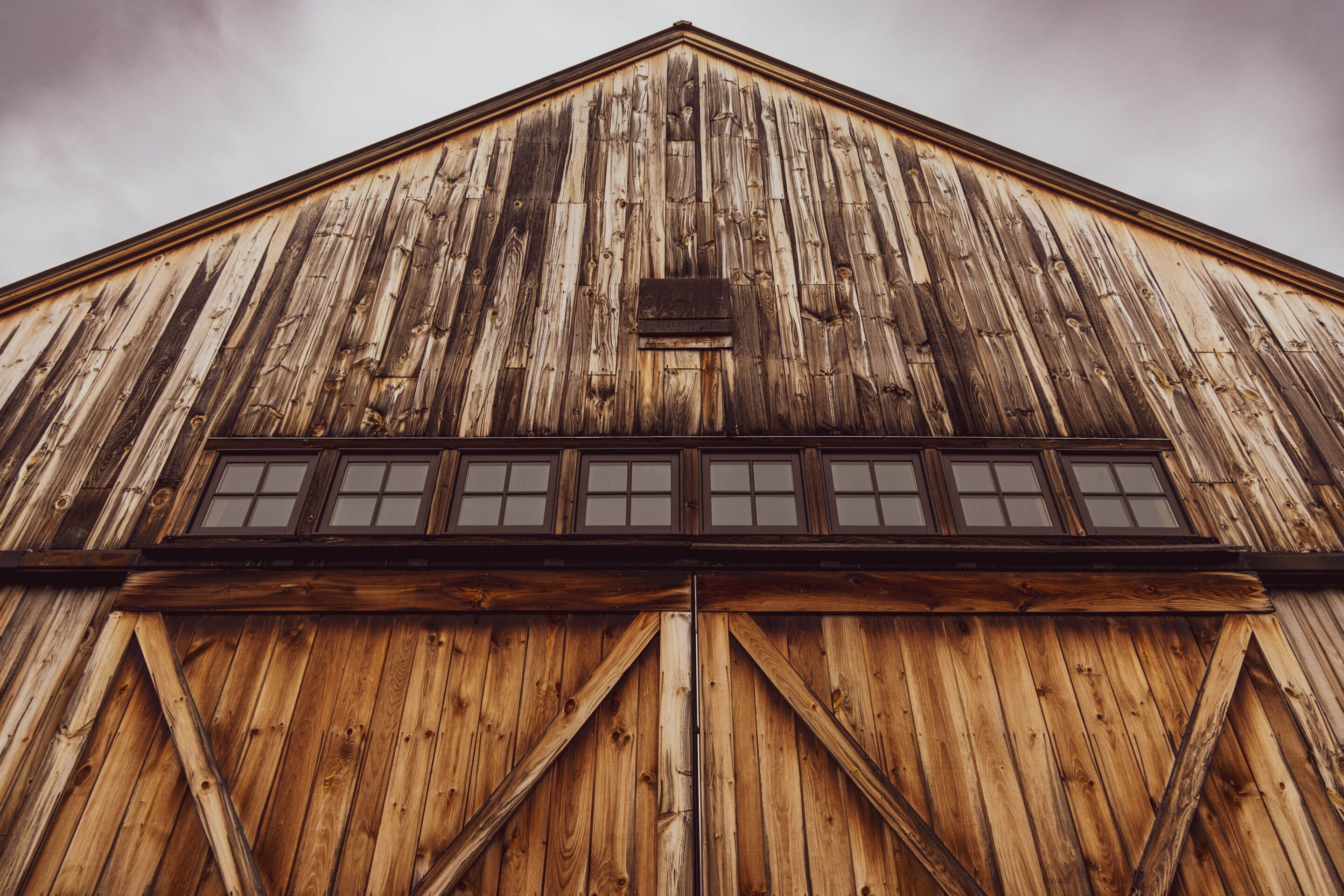
Look Past What’s There Today
Sometimes the right horse property is obvious the moment you arrive.
Sometimes you have to look past someone else’s fencing, someone else’s barn configuration and someone else’s way of using the land to see it.
That’s where knowledgeable guidance can make a real difference.
My job isn’t simply to point out that a property has a barn and call it horse-friendly. It’s to help you understand what you’re actually buying, what may be possible, and whether the property can support the horse life you’re trying to build.
If you’re searching for an equestrian property in Oregon or SW Washington, let’s look beyond the listing photos and find the potential that makes sense for you.
Ryann Reinhofer
Thoroughbred Real Estate Group
📲 503-709-2370
📩 ryann@tbregroup.com