

Buying a Pacific Northwest Horse Property?
5 Things Fall Reveals
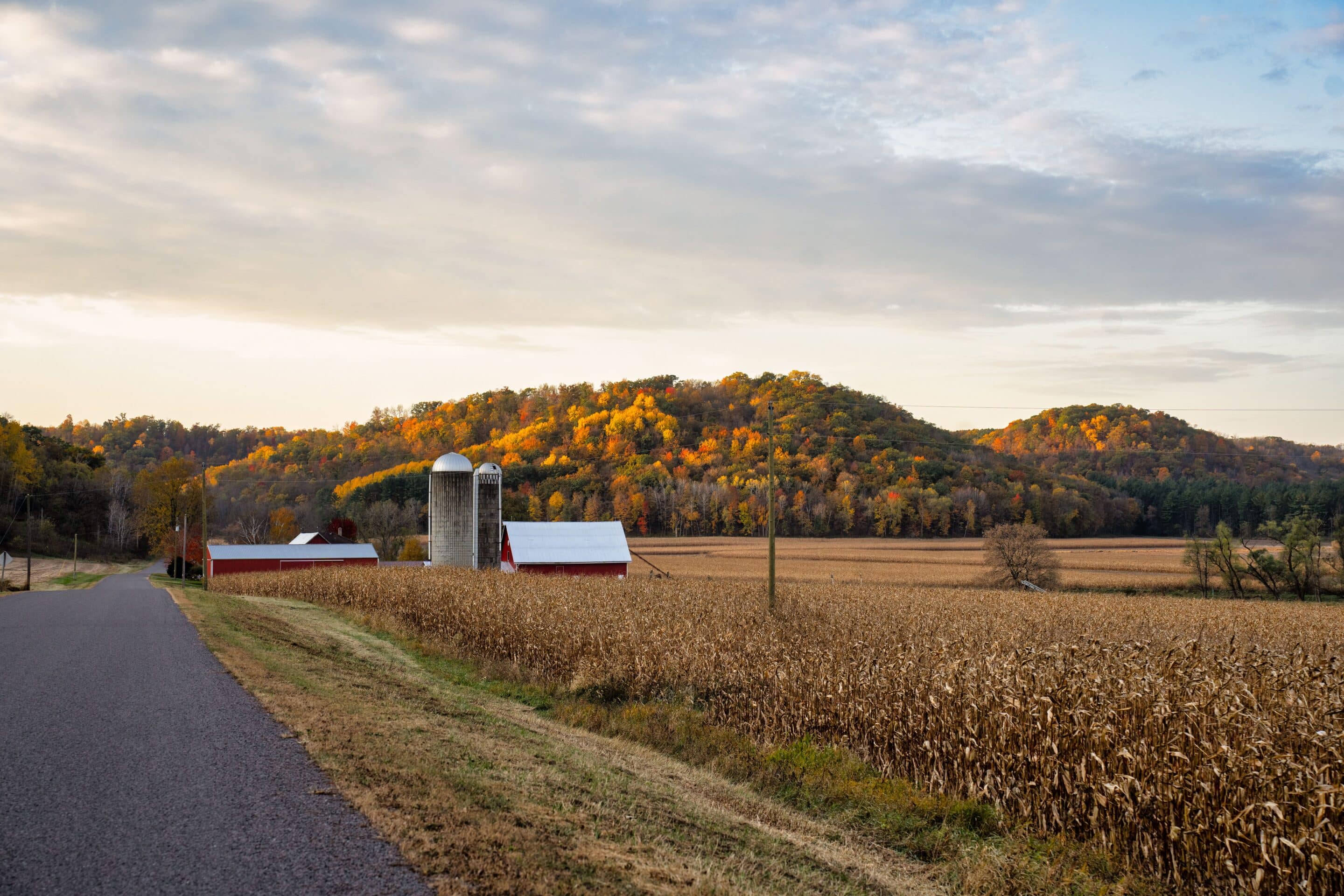
Buying a Pacific Northwest horse property? Fall might be one of the best times to see what you’re really getting.
A horse property can look absolutely beautiful on a sunny summer afternoon. Green pastures, dry ground, open gates, and plenty of room to ride.
But if you’ve spent a winter with horses in Oregon or Southwest Washington, you know the real test often begins when the rain arrives.
Fall can reveal important details about a property’s drainage, barns, arenas, and overall functionality that aren’t always obvious during warmer months.
Here are five things I encourage equestrian buyers to pay attention to as the Pacific Northwest’s rainy season approaches.
1. Pasture Drainage and Mud Management 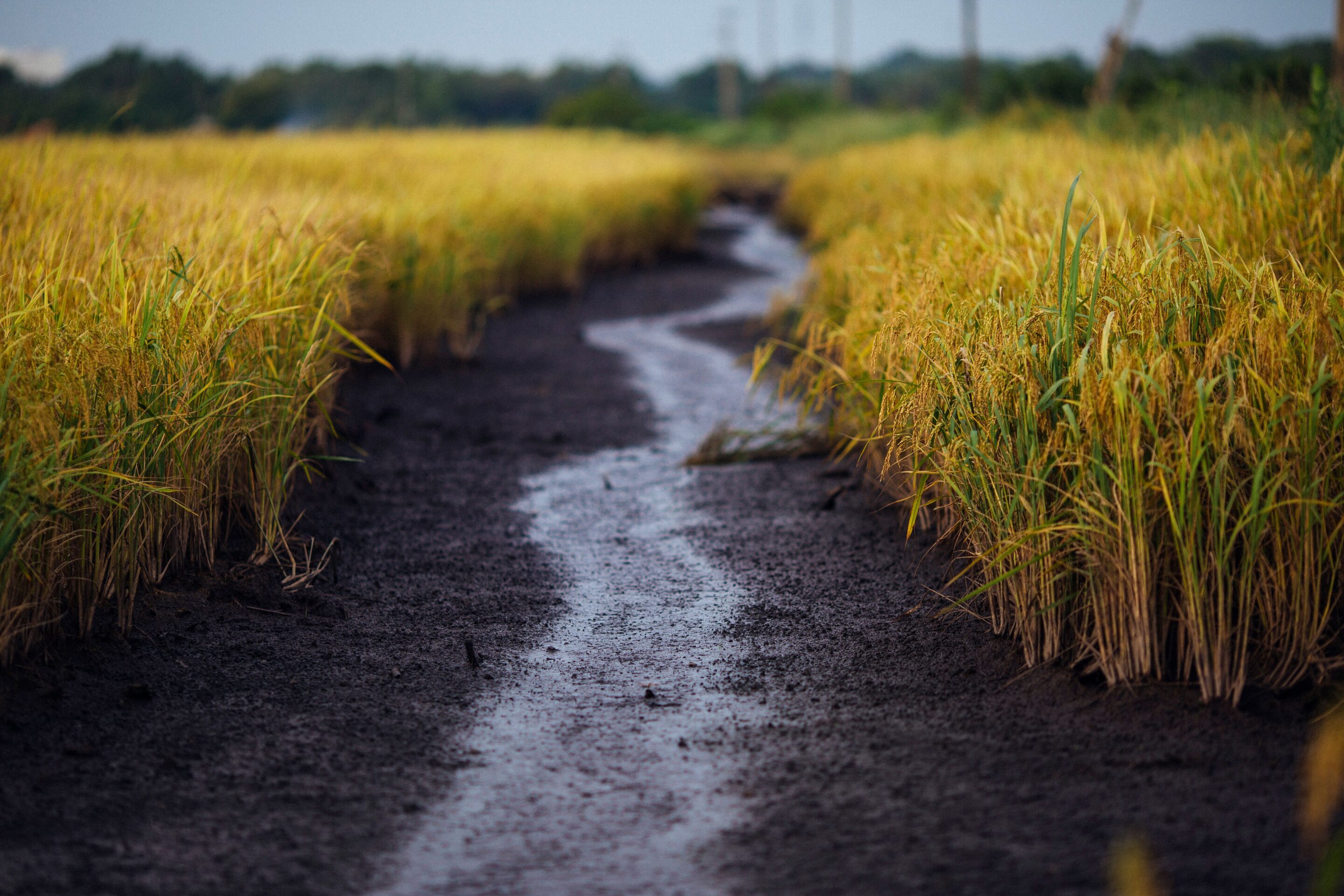
One of the first things I look at when evaluating an equestrian property is how the land handles water.
A pasture that looks fantastic in July may have standing water by November. Gate entrances, feeding areas, and frequently traveled paths can become muddy, slippery, and difficult to maintain.
When touring a horse property, pay attention to:
- Low-lying areas where water collects
- Mud around gates, shelters, and feeding stations
- Drainage around barns and other structures
- High-traffic routes between paddocks and facilities
- Existing gravel, footing, or other mud-management improvements
A property doesn’t need to be completely mud-free to be functional. But understanding how water moves across the land can help you anticipate maintenance needs and potential improvements.
My advice: If possible, visit a property after a period of rain. You may learn more about its drainage in 20 minutes than you would during an entire sunny afternoon.
2. Evaluating Barns on a Pacific Northwest Horse Property
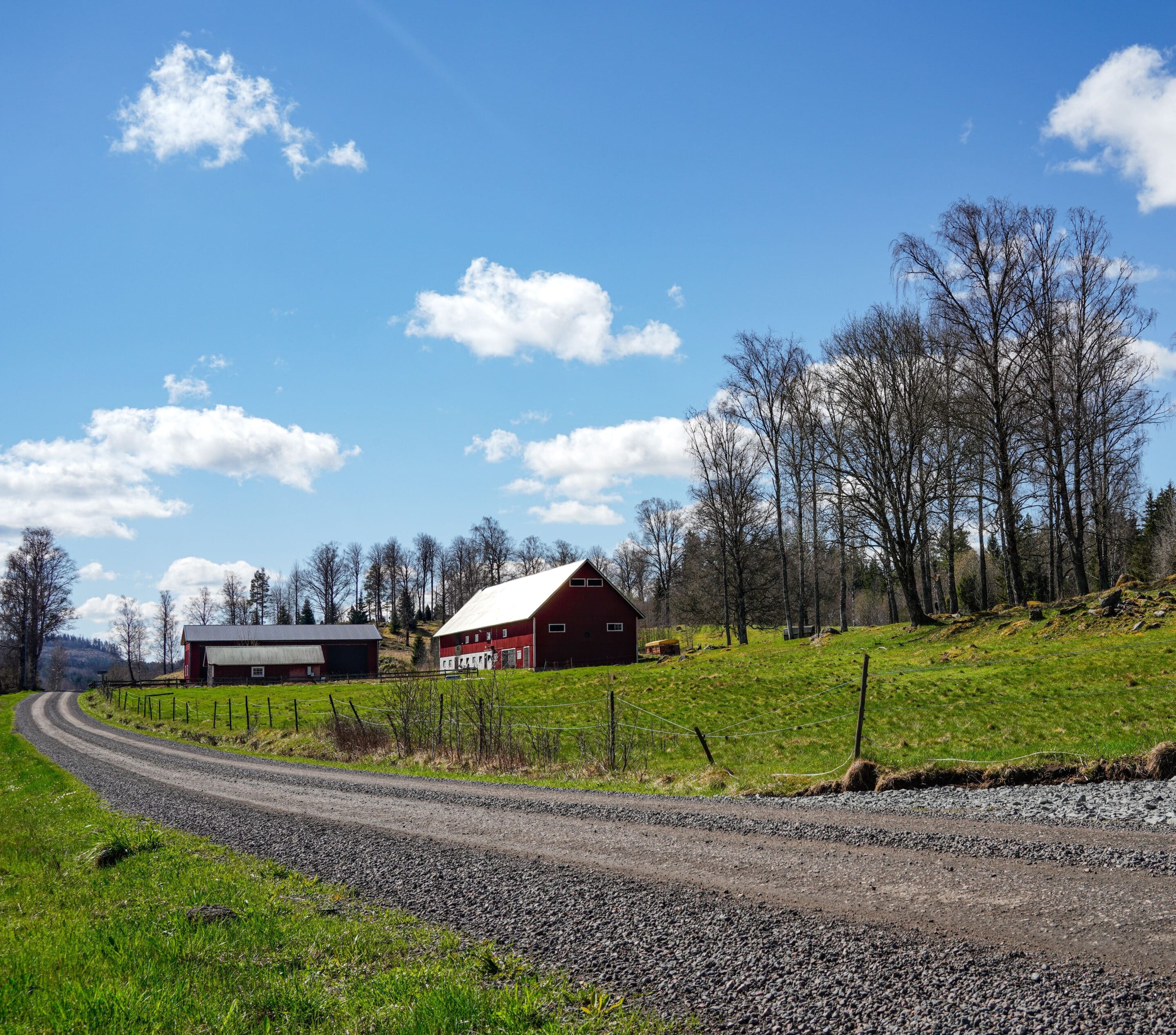
A beautiful barn is one thing. A barn that makes daily chores easier in January is another.
When you’re feeding, cleaning stalls, moving horses, and managing supplies through wet weather, the layout matters.
Consider how easily you can move between the barn, turnout areas, feed storage, and equipment spaces.
Ask yourself:
- Is there adequate ventilation without excessive drafts?
- Are hay and feed storage areas protected from moisture?
- Is there sufficient lighting for shorter winter days?
- Can horses move safely between stalls and turnout areas?
- Are there covered areas for grooming, farrier visits, or other routine care?
The goal is to find a setup that supports the way you actually care for your horses.
Sometimes the most valuable features aren’t the most impressive ones in the listing photos.
3. Arena Footing and Year-Round Riding 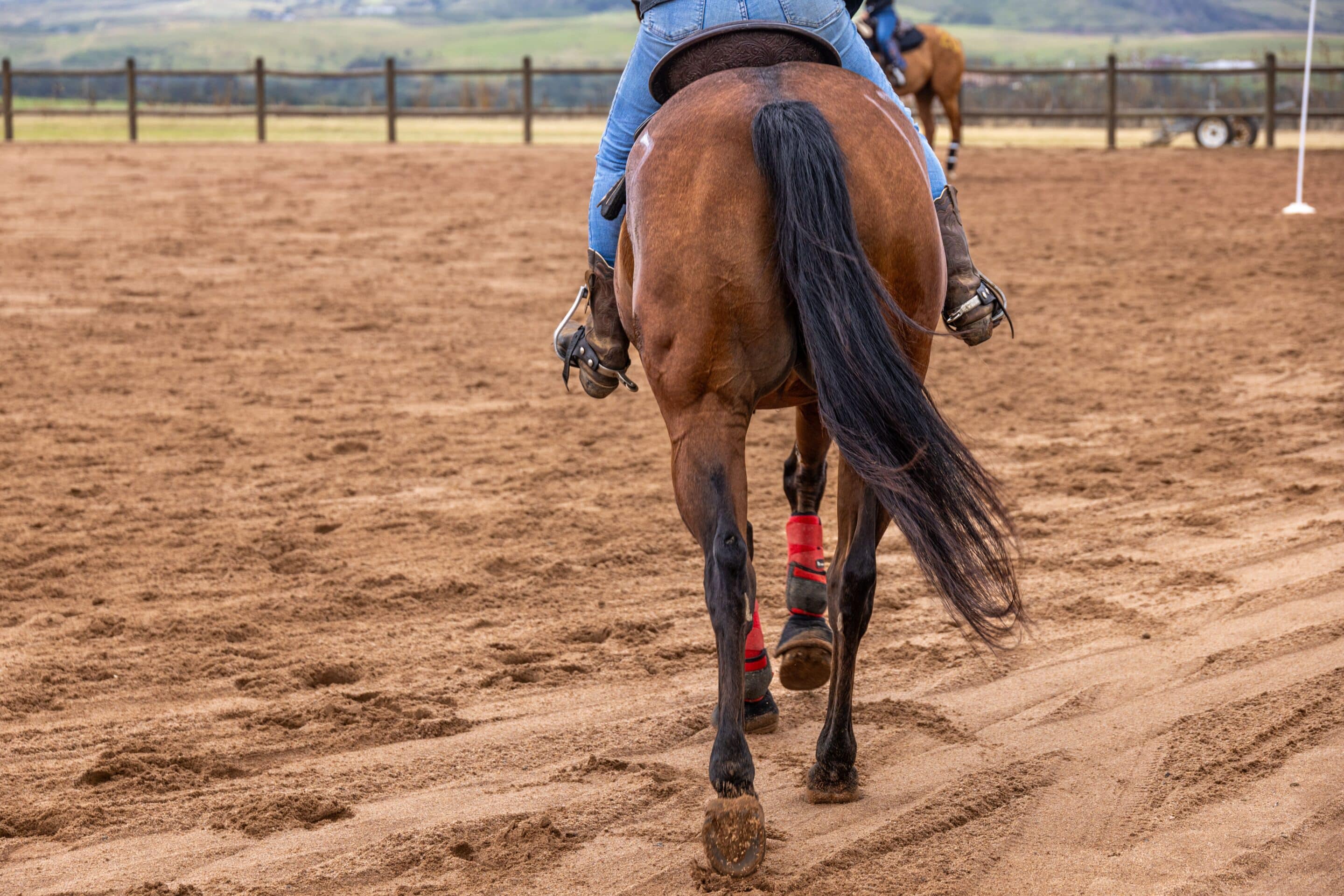
For many equestrian buyers, an arena is a major selling point.
But not all arenas perform the same way when the Pacific Northwest’s rainy season arrives.
Outdoor arenas deserve a close look at drainage, grading, and footing. Watch for standing water, uneven surfaces, and areas that appear excessively soft or compacted.
Indoor and covered arenas have their own considerations, including footing maintenance, ventilation, lighting, and access.
Before purchasing an equestrian property, think about how often you plan to ride and what conditions you need to accommodate.
If consistent year-round riding is a priority, arena functionality should be high on your evaluation list.
And remember, the presence of an arena doesn’t automatically mean it’s ready for your intended discipline or level of use.
 4. Driveways, Trailer Access, and Daily Logistics
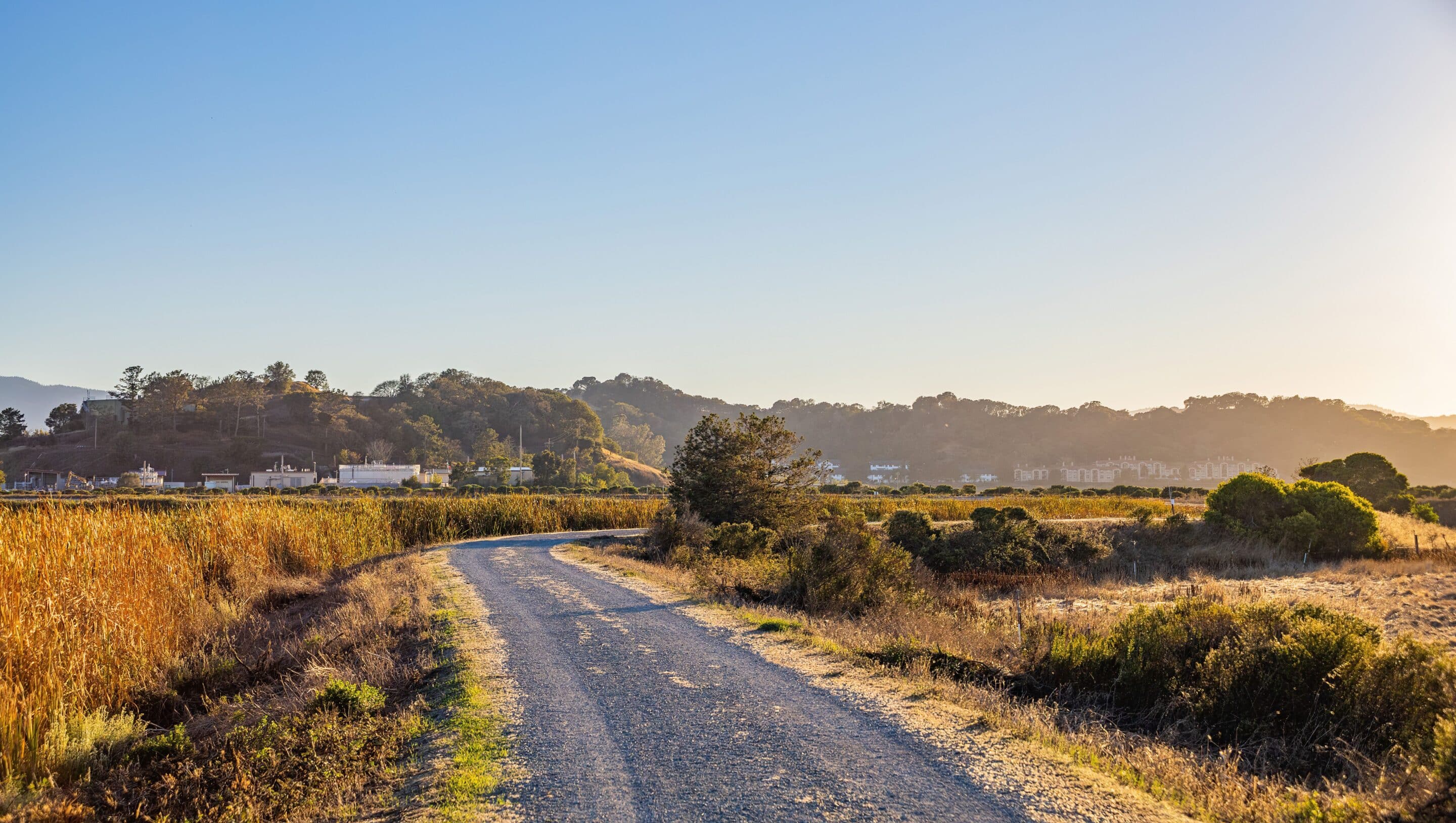
Here’s something that doesn’t always get enough attention during a property tour: getting around the property.
Imagine it’s a rainy November morning. You have a hay delivery arriving, a farrier appointment scheduled, and a horse that needs to be hauled somewhere.
How easily can you navigate the property?
Look at:
- Driveway conditions and drainage
- Trailer parking and turnaround space
- Gate widths and placement
- Access to barns and equipment storage
- Routes used by delivery vehicles and service providers
A property can have excellent equestrian facilities, but if accessing them is difficult, everyday chores can become unnecessarily complicated.
For horse owners, practical access isn’t a luxury. It’s part of what makes a property work.
 5. Home Maintenance During the Pacific Northwest’s Rainy Season
When shopping for horse properties, it’s easy to focus so much on the acreage and facilities that the house becomes an afterthought.
But the home deserves just as much attention.
Fall and winter weather in Oregon and Southwest Washington can reveal issues that aren’t as noticeable during the summer.
Pay attention to gutters, downspouts, roof drainage, exterior grading, and areas where water may collect near the foundation.
You’ll also want to consider heating, ventilation, and the general condition of the home’s exterior.
A professional home inspection can help identify concerns that aren’t visible during a showing.
After a long, wet day taking care of horses, having a comfortable and functional home matters, too!
Is Fall a Good Time to Buy a Pacific Northwest Horse Property?
It certainly can be.
While spring and summer often showcase a property’s appearance at its best, fall gives buyers an opportunity to evaluate how the land and infrastructure function under more challenging conditions.
That doesn’t mean every property with mud or drainage concerns should be ruled out.
Instead, it means buyers can make more informed decisions about maintenance, improvements, and whether a property truly fits their needs.
The key is knowing what to look for and asking the right questions before making a purchase.
Finding the Right Equestrian Property in Oregon or Southwest Washington
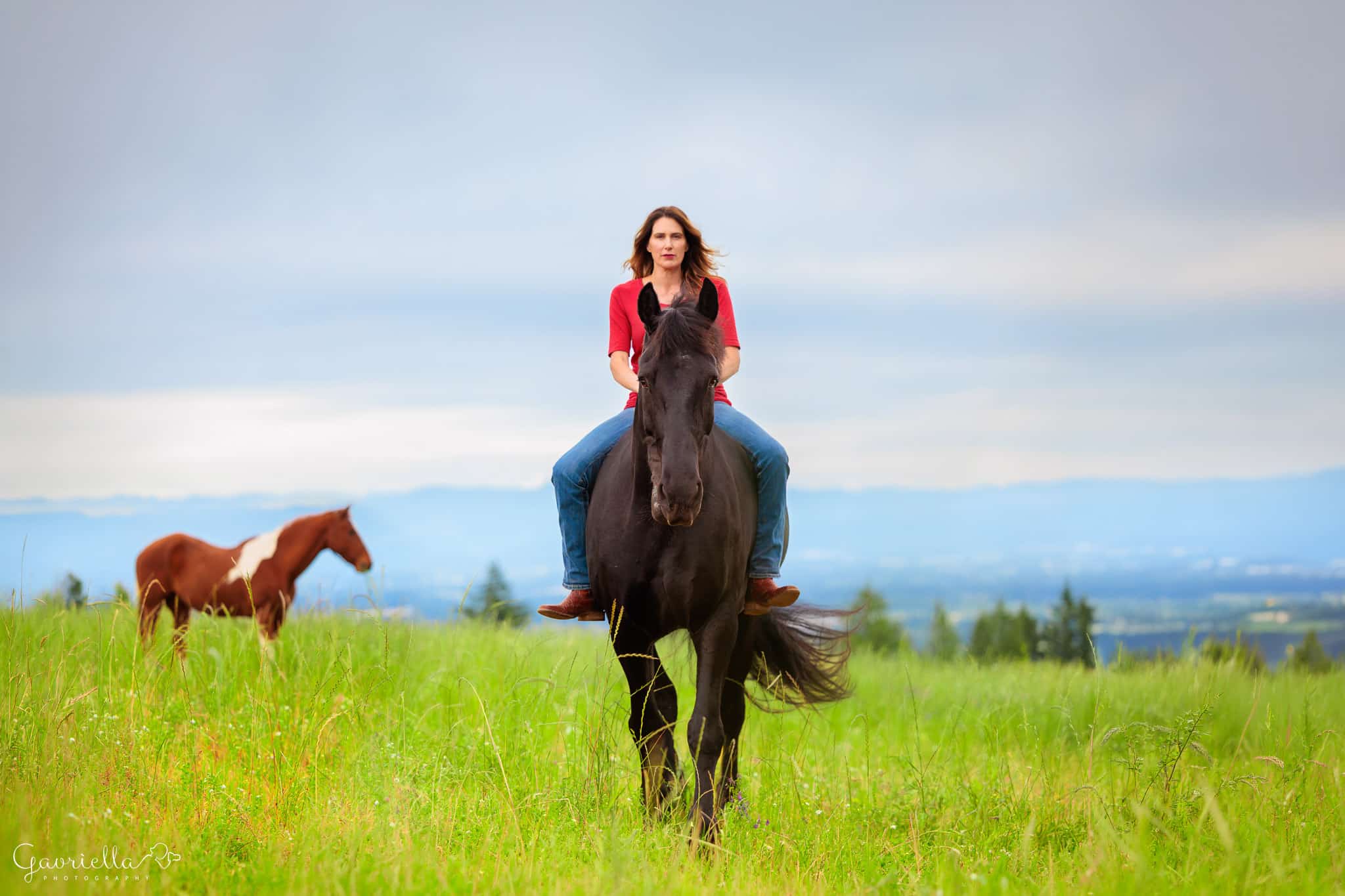
Photo: Gavriella Pet Photography
Buying a horse property is different from buying a traditional residential home. Beyond bedrooms, bathrooms, and square footage, you’re evaluating pasture management, fencing, barn functionality, riding facilities, access, water resources, and the daily logistics of caring for horses. Every horse owner has different priorities.
Whether you’re looking for a private hobby farm, a training facility, or acreage with room for your horses, understanding how a property functions throughout the year is essential.
At Thoroughbred Real Estate Group, we bring firsthand equestrian experience to the real estate process.
As a real estate broker licensed in Oregon and Southwest Washington, I help buyers and sellers navigate the unique considerations of equestrian properties throughout the region.
Thinking about buying or selling a horse property in Oregon or Southwest Washington?
Let’s talk about your horses, your lifestyle, and the features that matter most to you!
Ryann Reinhofer
Thoroughbred Real Estate Group
📲 503-709-2370
📩 ryann@tbregroup.com